



Key Takeaways
- Changes in oil pressure, coolant level, smoke, sound, and power deserve prompt attention.
- Oil analysis, diagnostic data, and service records can reveal trends that a single inspection may not show.
- Cooling, lubrication, fuel, air, and exhaust systems must be inspected as connected systems.
- Testing before replacing parts helps avoid costly repairs that do not solve the underlying problem.
- Repair, rebuild, and replacement decisions should consider damage, downtime, operating needs, and equipment value.
Heavy-duty diesel engines usually provide warning signs before a major failure, but those signals are easy to miss when equipment is needed every day. Whether maintaining a fleet truck, vocational unit, or a Cummins ISX engine, a consistent inspection routine can help identify developing problems before they lead to severe damage and unplanned downtime.
The goal is not to replace parts at the first sign of an unusual symptom. It is to document the change, inspect related systems, test the suspected cause, and choose a repair plan based on evidence. Small concerns involving oil, coolant, fuel, air, or electronic controls can become interconnected problems when ignored.
Why Early Detection Matters
Diesel engines operate by compression ignition, and their major systems depend on stable pressure and temperature, clean fluids, and proper airflow. A restricted filter, a boost leak, a failing thermostat, or a minor coolant loss may initially cause only a small change in performance. Under heavy load or on a long grade, the same issue can cause excessive heat, poor combustion, or inadequate lubrication.
Mileage alone does not define engine condition. Idle time, load cycles, maintenance history, operating environment, and past overheating events all matter. A minor coolant leak, for example, can lead to overheating if the coolant level drops while the equipment is working hard.
Warning Signs That Need Attention
Sound, Smoke, And Starting Changes
New knocks, taps, rattles, whistles, or uneven idle sounds should be recorded with details about engine speed, temperature, and load. A whistle may point to an air leak, while a persistent knock may require immediate professional evaluation. Do not assume a new noise is normal simply because the engine still runs.
Exhaust smoke also needs context. Blue smoke can indicate oil consumption; black smoke can accompany restricted airflow or excessive fueling; and white smoke may occur when fuel is not burning completely. Smoke color alone is not a diagnosis. It should be considered alongside coolant use, oil use, engine temperature, power loss, and fault codes.
Hard starting, longer crank time, rough idle, reduced pulling power, or unexplained fuel-use changes can also indicate fuel-delivery, air-intake, sensor, or mechanical issues.
Checking Oil And Lubrication Health
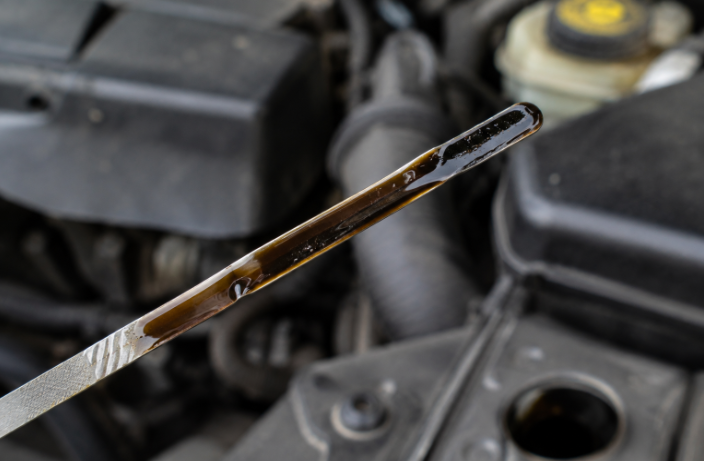
Engine oil protects bearings, camshaft components, pistons, liners, and turbocharger parts. Check the oil level during scheduled inspections, and investigate any sudden changes rather than repeatedly topping it off without identifying the cause. Fuel dilution, coolant contamination, soot loading, and oxidation can reduce the oil’s ability to protect internal components.
Laboratory oil analysis can help identify contaminants and wear-material trends before a driver notices a severe symptom. Consistent sampling is important because one report is only a snapshot. Compare it with prior reports, service intervals, oil consumption, and the engine’s operating history.
Inspecting The Cooling System
Inspect coolant level, hoses, belts, clamps, radiator airflow, fan operation, and visible leaks. A clean radiator does not guarantee healthy cooling performance. Internal restrictions, poor pressure control, a weak fan drive, or a thermostat problem can still limit heat rejection.
Temperature spikes under load, coolant loss without an obvious external leak, pressure in the cooling system soon after a cold start, or sweet-smelling exhaust require prompt diagnosis. Repeated overheating can damage gaskets, cylinder heads, pistons, and liners, so continued operation is rarely the lowest-cost choice.
Testing Fuel And Air Delivery
Fuel-system inspection should include filters, water separators, supply lines, tank condition, and, when applicable, pressure testing. Water and debris can damage precision fuel components, while injector problems may contribute to rough running, smoke, difficult starting, and poor economy.
On the air side, inspect the air filter, intake piping, charge-air connections, and clamps. Split hoses and loose connections can reduce boost and increase exhaust temperature. Unusual turbocharger noise, oil at connections, or sluggish response should be investigated before a small air-path problem affects other components.
Using Diagnostic Data
Electronic controls can provide useful clues through active and inactive fault codes, freeze-frame data, and operating readings. Record code numbers and conditions before clearing them. Review oil pressure, coolant temperature, fuel pressure, boost pressure, exhaust temperature, crankcase pressure, and regeneration history where available.
Modern emissions-control equipment also requires attention, as unresolved engine problems can affect aftertreatment performance. The emissions-control equipment used on diesel vehicles works best when the engine is operating properly. Scan-tool results support a diagnosis, but they do not replace a hands-on inspection or a mechanical test.
A Step-By-Step Inspection Process
- Record the complaint: Note when it occurs, the load involved, and whether the engine is hot or cold.
- Inspect the basics: Check fluids, filters, wiring, belts, hoses, clamps, and visible leaks.
- Save diagnostic information: Record codes and related operating data before clearing anything.
- Test the suspect system: Verify pressure, temperature, electrical signals, or mechanical condition as needed.
- Confirm the root cause: Comparing results with manufacturer specifications and previous service information.
- Document the repair: Record findings, parts replaced, dates, and follow-up results.
Repair, Rebuild, Or Replace?
A targeted repair may be appropriate when testing identifies one isolated failed component. An in-frame rebuild may fit an engine with manageable internal wear and sound major components. An out-of-frame rebuild can allow deeper inspection of the block, crankshaft, and cylinder head. Replacement may be practical when internal damage is extensive or when downtime is more costly than installing another engine.
Before deciding, ask what caused the failure, which parts were inspected, what can safely be reused, what documentation and warranty are included, and how long the equipment is expected to remain in service.
Building A Practical Maintenance Plan
Daily checks should include fluid levels, visible leaks, gauge behavior, smoke, unusual noise, and changes in power. Scheduled service should cover filters, belts, hoses, wiring, air plumbing, the cooling system’s condition, and fault code history. Keep records tied to the engine and unit so oil use, coolant use, repairs, fuel economy, and recurring codes can be tracked over time.
Conclusion
Effective heavy-duty diesel maintenance relies on recognizing early clues and confirming their causes before damage spreads. Inspect often, document changes, use data in the diagnosis, and act on urgent warning signs. That approach supports better repair decisions and helps turn avoidable downtime into planned maintenance.
