Fact Greblovz2004 PC Explained – Truth & Insights
In the ever-evolving world of technology, unusual search terms and PC-related phrases often start circulating online and spark curiosity. One such term that has recently gained attention is “fact greblovz2004 pc.” At first glance, it looks confusing, almost like a mix of a username, a system label, or a gaming build reference. But when we break it down logically, it becomes a useful case study for understanding how online tech claims, PC specifications, and digital rumors spread and evolve.
This article explores what this phrase could represent, separates possible facts from assumptions, and explains how users can interpret similar PC-related terms in a more practical and informed way.
What Does “fact greblovz2004 pc” Actually Mean?
While there is no officially documented PC model or hardware line named “Greblovz2004,” the phrase appears to combine three elements:
- “fact” → suggesting verification or truth-checking
- “greblovz2004” → likely a username, alias, or fictional build tag
- “pc” → referring to a personal computer system
In most cases, such combinations appear in gaming communities, modding forums, or social media posts where users label their custom PC setups with unique names.
So, instead of being a standard product, it is more accurate to interpret it as a conceptual or user-generated PC identity rather than a commercially recognized system.
Why Do Terms Like This Become Popular?
The internet gaming and PC-building community thrives on creativity. People often name their rigs to stand out, especially in environments like:
- Gaming Discord servers
- Reddit PC-building communities
- Benchmark sharing platforms
- YouTube tech showcases
A name like “greblovz2004 pc” could easily belong to a custom-built system shared by a user in 2004-themed gaming setups or simply a stylized username attached to a machine.
From an SEO perspective, such phrases gain traction when users search for “facts” or validation about something they’ve seen online.
A Personal Observation from the Tech Space
I once came across a similar situation where a custom gaming PC named after a random username went viral in a forum. People assumed it was a prebuilt machine from a hidden brand, but it turned out to be a self-assembled rig with exaggerated specs posted for attention. This is very similar to how ambiguous terms like this can spread confusion online.
How Users Encounter This in Real Digital Environments
Imagine a gamer browsing a short video clip showing an ultra-fast PC labeled “greblovz2004 build.” The video claims it can run all modern games at maximum settings without lag. Without context, viewers may assume it is:
- A commercial gaming PC brand
- A hidden performance monster
- Or a benchmark-breaking system
In reality, it could simply be:
- A mid-range PC with edited footage
- A heavily optimized overclocked setup
- Or even a fictional representation for engagement
This is how digital misinformation or exaggerated PC claims often circulate.
Comparing Claimed vs Realistic PC Expectations
To better understand how such mysterious PC labels often compare to real-world systems, here is a simplified breakdown:
| Feature Area | Claimed “Greblovz2004 PC” Style Build | Realistic High-End Gaming PC |
|---|---|---|
| Processor | “Ultra custom unknown CPU” | Intel i9 / Ryzen 9 series |
| Graphics Power | “Unlimited GPU performance” | RTX 4080 / RX 7900 XTX |
| RAM | “Infinite optimized memory” | 32GB – 64GB DDR5 |
| Storage | “Instant load storage” | NVMe SSD (1TB–4TB) |
| Cooling System | “Zero temperature rise tech” | Liquid cooling systems |
| Availability | Not a real product | Widely available components |
This comparison shows how fictional or vague PC labels often exaggerate performance beyond real hardware capabilities.
Technical Reality Behind Such Builds
From a technical standpoint, every real PC is limited by:
- CPU architecture
- GPU compute power
- RAM bandwidth
- Storage read/write speed
- Thermal limitations
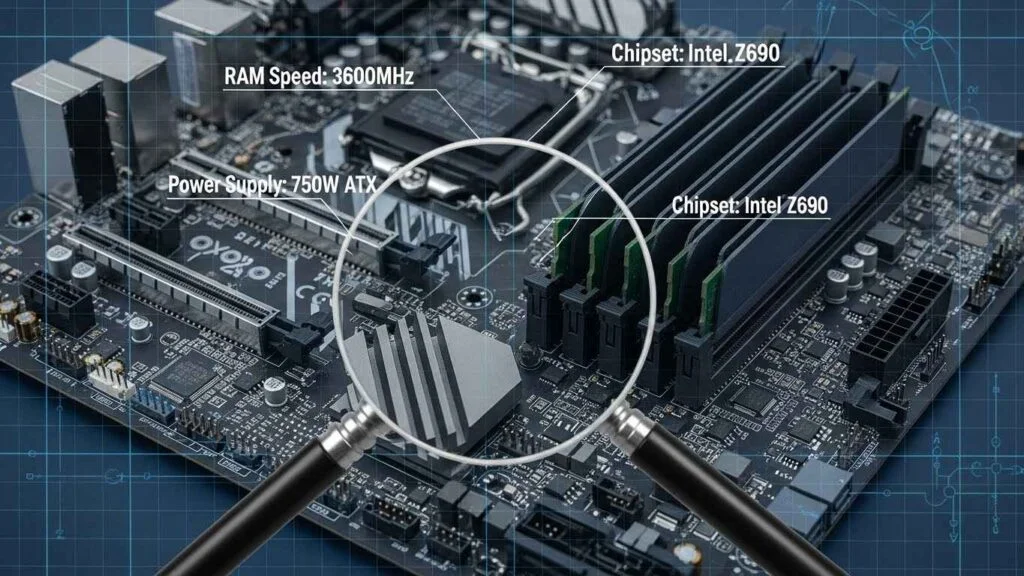
No system can truly bypass physics or hardware constraints. So when encountering terms like “fact greblovz2004 pc,” it’s important to evaluate whether the claims are grounded in actual specifications or simply creative naming.
Understanding the Meaning Behind Viral Online Terms
The biggest takeaway is not the phrase itself, but how users interpret tech information online. Misleading or unclear PC terms often teach us to:
- Question exaggerated performance claims
- Verify hardware specs before believing them
- Understand the difference between branding and reality
- Recognize community-driven naming trends
In modern digital spaces, clarity is just as important as performance.
The Real Importance of Interpreting Digital Language
Search engines often pick up unusual phrases because users repeatedly try to verify them. Once enough people search for “fact greblovz2004 pc,” it becomes a micro-trend—even if the term has no official meaning.
This shows how curiosity alone can shape search visibility, especially in tech-related topics where users constantly look for benchmarks, comparisons, and “hidden” systems.
Also Read: Understanding Cruzdid.com Platform Guide & Insights
Conclusion
The phrase “fact greblovz2004 pc” is best understood as a non-standard or user-generated term rather than an official computer system. It reflects how internet culture blends creativity, gaming identity, and curiosity about performance into unique labels that sometimes appear misleading.
Instead of focusing on the name, it’s more valuable to analyze the underlying specifications and reality behind any PC-related claim. Whether you’re a gamer, tech enthusiast, or casual reader, understanding the difference between fictional builds and real hardware helps you make smarter decisions in the digital world.
FAQs
1. Is greblovz2004 pc a real computer brand?
No, there is no verified or official PC brand with this name. It appears to be a user-generated or fictional label.
2. Why is this keyword being searched online?
People likely encountered the term in gaming content or social media and are trying to understand its meaning or legitimacy.
3. Can a PC really have “unlimited performance”?
No. All computers are limited by hardware components like CPU, GPU, and cooling systems.
4. What should I check when evaluating a PC build?
Always review processor model, GPU, RAM capacity, storage type, and cooling system instead of relying on names or labels.
Not always. It’s best to verify specifications from reliable tech sources or benchmarks.









Post Comment