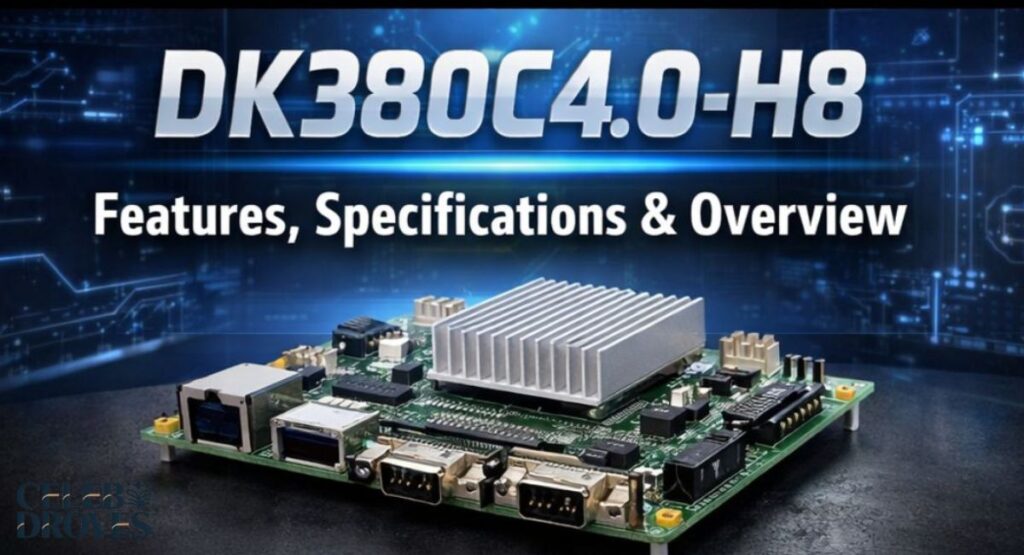
DK380C4.0-H8 Model Size Guide & Full Specifications
When people search for the “DK380C4.0-H8 model size,” they are usually trying to understand the physical dimensions, configuration limits, and operational capacity of this type of industrial-grade machine. Although the naming may look highly technical, it typically follows a structured coding system used in CNC machinery or automated industrial equipment where each part of the model number represents performance class, travel range, or design version.
Understanding this model size is not just about numbers—it directly impacts workspace planning, production capability, and long-term efficiency in industrial setups.
Understanding the Meaning Behind the Model Code
The DK380C4.0-H8 designation generally follows a structured industrial naming convention:
- DK often represents the machine series or product line
- 380 usually indicates a size class or working envelope range
- C4.0 may refer to a configuration version or generation level
- H8 can represent a hardware configuration, spindle type, or structural upgrade
While manufacturers may slightly differ in interpretation, the key idea remains the same: each segment of the model name reflects a dimension of capability and size.
So when users ask about DK380C4.0-H8 model size, they are essentially asking: How big is it physically, and what workspace does it require?
Why Model Size Matters in Industrial Machines
In industrial environments, size is not just about physical space. It influences:
- Floor space planning in factories
- Material handling range
- Maximum workpiece size
- Machine stability during operation
- Energy consumption and cooling requirements
A miscalculation in machine size can lead to inefficient workflows or even production limitations.
From a practical standpoint, companies often design their entire production layout around machine dimensions before installation begins.
Key Dimensions You Should Understand
When evaluating a machine like the DK380C4.0-H8, size typically includes:
- Overall footprint (length × width × height)
- Work envelope (usable machining area)
- Table size or chuck capacity
- Travel distances of X, Y, and Z axes
- Weight and structural base dimensions
These factors combined define the “true size” of the machine in real-world use.
A machine might look compact externally but still offer a large internal working envelope, which is why technical specifications matter more than appearance.
Typical Size Range Overview
Below is a generalized comparison of size categories often associated with machines in the DK380 series class:
| Size Category | Work Envelope (Approx.) | Machine Footprint | Typical Use Case |
|---|---|---|---|
| Compact Configuration | 300–400 mm range | 1200 × 900 mm | Small parts, prototyping |
| Standard Configuration | 400–600 mm range | 1600 × 1200 mm | General machining tasks |
| Extended Configuration | 600–800 mm range | 2200 × 1600 mm | Medium industrial production |
| Heavy-Duty Setup | 800+ mm range | 3000 × 2000 mm+ | Large-scale manufacturing parts |
The DK380C4.0-H8 is generally placed in the standard to extended configuration range, depending on the manufacturer setup and tooling configuration.
Case Study: Real Operational Setting
Imagine a mid-sized automotive parts workshop trying to scale production. They purchase a machine without fully analyzing its size requirements. The machine arrives, but the workspace is too tight for safe material loading, and operators struggle with movement around the unit.
As a result, productivity drops, not because of machine quality, but because the size was not properly matched to the workspace.
In contrast, another workshop carefully measures floor clearance, ceiling height, and material flow before installing a similar model. They achieve smoother production flow and significantly reduced downtime.
This difference highlights why understanding DK380C4.0-H8 model size is critical before investment.
A Practical Experience from the Field
I once observed a small manufacturing unit that underestimated machine footprint requirements. They assumed the DK-class machine would “fit easily” into their existing layout. After installation, they realized maintenance access was limited, forcing them to reorganize the entire floor plan.
That situation made it clear that machine size is not just a specification—it’s a planning foundation.
Factors That Can Influence Actual Size
Even within the same model name, real-world size can vary depending on:
- Optional attachments or tool changers
- Enclosed vs open-frame design
- Cooling and dust collection systems
- Upgraded motor or spindle configurations
- Safety guarding and protective housing
These additions can significantly increase total footprint even if the base model remains unchanged.
How to Choose the Right Size Configuration
When selecting a machine like DK380C4.0-H8, consider the following:
- Available factory floor space
- Maximum workpiece size requirements
- Future production scaling needs
- Operator accessibility and safety clearance
- Maintenance and repair accessibility
A common mistake is choosing a machine based only on capability without considering spatial constraints. Ideally, both should be balanced for long-term efficiency.
Comparison of Size Impact in Operations
Different size configurations can dramatically affect performance outcomes:
| Aspect | Smaller Setup | DK380C4.0-H8 Range Setup |
|---|---|---|
| Workspace Usage | Minimal | Moderate to high |
| Production Capacity | Limited | Balanced for industrial output |
| Flexibility | High for small parts | High for mixed production |
| Maintenance Access | Easy | Requires planned access space |
| Investment Value | Lower upfront cost | Better long-term scalability |
This comparison shows why mid-range machines like the DK380C4.0-H8 are often preferred in growing industries.
Maximizing Efficiency Through Proper Size Planning
Choosing the correct machine size is not just a technical decision—it’s a long-term operational strategy. A properly sized machine reduces bottlenecks, improves worker safety, and increases overall production efficiency without requiring frequent redesign of the workspace.
This is where many businesses gain hidden value: smoother scaling without constant equipment replacement.
Also Read: UploadBlog.com Guide: How It Works & Features
Conclusion
Understanding the DK380C4.0-H8 model size is essential for anyone planning to invest in industrial machining equipment. While the model name provides clues about its classification, the real importance lies in how its dimensions align with your workspace, production needs, and long-term scalability.
Instead of focusing only on specifications, successful planning involves visualizing real factory conditions, workflow movement, and future expansion. When size is chosen correctly, the machine becomes an asset that supports growth rather than a limitation.
FAQs
1. What does DK380C4.0-H8 model size mean?
It refers to the machine’s physical dimensions, working envelope, and configuration class within the DK380 series.
2. Is DK380C4.0-H8 suitable for small workshops?
It depends on available space. It is generally better suited for medium-sized industrial setups.
3. Does the model size affect performance?
Yes, size impacts stability, work capacity, and material handling capability.
4. Can the machine size vary by manufacturer?
Yes, optional features and configurations can slightly change final dimensions.
5. What is the most important size factor to consider?
The working envelope and floor footprint are the most critical for installation planning.








Post Comment